
Surgical Oncology Hospitals in Vijayawada
What is Surgical Oncology?
Surgical Oncology is the branch of medicine that focuses on the surgical treatment of cancer. It involves the removal of tumors and cancerous tissues through specialized surgical procedures.
A doctor specialized in this field is called a Surgical Oncologist.
Surgical oncology plays an important role in:
- Cancer diagnosis
- Tumor removal
- Cancer staging
- Reconstruction procedures
- Palliative cancer surgery
Dr. Chandana Vemuri is a highly experienced Surgical Oncologist AT Ravi’s American cancer care specializing in:
- Breast Cancer Surgery
- Head & Neck Cancer Surgery
- Gastrointestinal Cancer Surgery
- Genitourinary Cancer Surgery
- Laparoscopic & Minimally Invasive Cancer Surgery
She has extensive experience in breast cancer surgeries and advanced oncologic procedures.
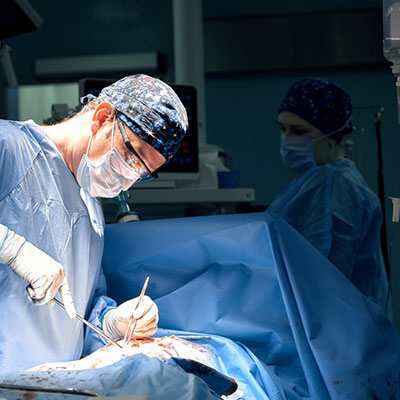
What we do
- Diagnoses cancer through biopsy procedures
- Removes tumors safely
- Performs cancer staging surgeries
- Preserves healthy organs and tissues when possible
- Comprehensive care
We at American cancer care do
1. Curative Surgery
Complete removal of cancer to cure the disease.
2. Diagnostic Surgery
Obtaining tissue samples for biopsy and diagnosis.
3. Staging Surgery
Determining the extent of cancer spread.
4. Palliative Surgery
Helping manage symptoms and enhancing the quality of life for patients with
advanced-stage cancer.
5. Reconstructive Surgery
Restoring appearance and function after cancer surgery.
Common Cancers Treated by our Surgical Oncologist at Ravi’s American cancer care
- Breast cancer
- Oral cancer
- Lung cancer
- Colorectal cancer
- Ovarian cancer
- Thyroid cancer
- Liver cancer
- Soft tissue sarcomas
Types of Surgical Oncology Procedures we perform
Open Surgery
Traditional surgery through larger incisions.
Minimally Invasive Surgery
Performed through small incisions using advanced instruments.
Benefits:
- Less pain
- Smaller scars
- Faster recovery
Cutting-edge technologies and modern treatment approaches in Surgical Oncology at Ravi’s American Cancer Care.
We have advanced technologies such as:
- 4K surgical visualization systems
- Fluorescence-guided surgery
- Sentinel lymph node mapping
- Image-guided surgery
- Intraoperative imaging
Technologies like Stryker 1788 and SPY-PHI fluorescence imaging are available at Ravi’s American cancer care.
Stryker 1788 and SPY-PHI Fluorescence Imaging at Ravi’s American cancer care
Advanced Surgical Visualization Technology
The Stryker 1788 Platform and SPY-PHI Fluorescence Imaging system are advanced surgical technologies used in modern surgical oncology and minimally invasive surgery. These systems help surgeons visualize critical anatomy, blood flow, lymphatics, and tissue perfusion with greater clarity during cancer surgeries.
Stryker 1788 Platform
The Stryker 1788 Platform is an advanced 4K surgical imaging system designed for enhanced surgical precision and visualization. It provides:
- Ultra HD 4K imaging
- High Dynamic Range (HDR)
- Enhanced fluorescence imaging
- Improved tissue differentiation
- Better visualization of critical anatomy and perfusion
Key Features
- 4K Ultra HD surgical visualization
- Enhanced fluorescence imaging modes
- Better contrast and tissue clarity
- Real-time perfusion assessment
- Advanced imaging for minimally invasive surgery
- Improved visualization in oncology procedures

SPY-PHI Fluorescence Imaging
The SPY-PHI (SPY Portable Handheld Imaging System) is a handheld near-infrared fluorescence imaging system that allows surgeons to assess:
- Blood circulation
- Tissue perfusion
- Lymphatic channels
It enables real-time identification of sentinel lymph nodes during surgical procedures.
It uses fluorescence-guided imaging with indocyanine green (ICG) dye to improve
visualization during surgical procedures.
Benefits of Stryker 1788 & SPY-PHI
- Enhanced surgical precision
- Improved visualization of critical anatomy
- Better lymph node identification
- Real-time tissue perfusion assessment
- Safer minimally invasive surgery
- Reduced complications
- Faster patient recovery
- Better surgical outcomes
With modern minimally invasive and precision-guided technologies, our surgical oncologist is improving cancer treatment outcomes, patient safety, recovery, and quality of life.