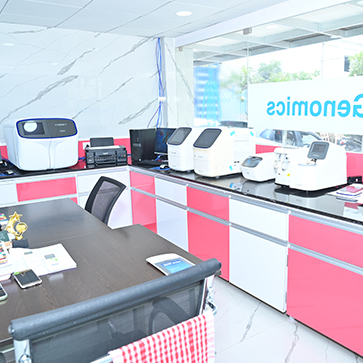
Genetics and Genomics
What is Genetics and Genomics?
Genetics studies individual genes and how changes (mutations) in genes can cause diseases like cancer.
Genomics studies the complete set of genes (genome) and how multiple genes interact in cancer development and treatment response.
Both play a major role in modern cancer diagnosis, treatment, and prevention.
Why Genetics and Genomics are Important in Cancer
1. Early Detection of Cancer
Genetic testing can identify inherited mutations that increase cancer risk.
Examples:
- BRCA1 / BRCA2 → Breast & Ovarian Cancer
- TP53 → Multiple cancers
- APC → Colon Cancer
People with these mutations can undergo:
- Regular screening
- Preventive checkups
- Early treatment
Early detection improves survival rates.
2. Accurate Cancer Diagnosis
Genomic testing helps doctors identify:
- Type of cancer
- Cancer subtype
- Aggressiveness of disease
Examples:
- Leukemia classification using genetic markers
- Lung cancer mutation testing
- Molecular profiling in tumors
This helps in selecting the right treatment.
What is Genetic Testing Through NGS?
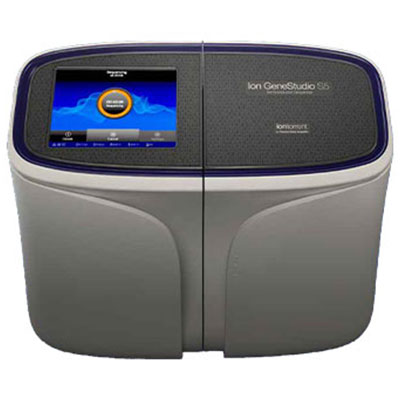
Genetic testing through NGS (Next Generation Sequencing) is an advanced method used to analyze multiple genes simultaneously to identify genetic mutations associated with diseases such as cancer, inherited disorders, and rare genetic conditions.
NGS helps detect:
- Gene mutations
- Insertions/deletions
- Gene fusions
- Copy number variations
- Tumor-specific alterations
It is widely used in:
- Cancer diagnosis
- Precision oncology
- Hereditary cancer testing
- Treatment monitoring
Samples may include:
- Blood
- Tumor tissue
- Bone marrow
- Saliva
- Liquid biopsy samples
What is Liquid Biopsy?
Liquid biopsy is a modern, minimally invasive diagnostic technique that detects cancer-related material in body fluids, mainly blood.
Instead of removing tissue through surgery or needle biopsy, liquid biopsy analyzes:
- Circulating tumor DNA (ctDNA)
- Circulating tumor cells (CTCs)
- Cell-free DNA (cfDNA)
- RNA and other tumor biomarkers
It is widely used in modern cancer care for diagnosis, monitoring, and treatment planning.
Role of NGS in Liquid Biopsy
NGS enhances the power of liquid biopsy by allowing detailed genomic profiling of tumor-derived DNA circulating in blood.
This combination helps in:
- Early cancer detection
- Precision oncology
- Treatment monitoring
- Detection of relapse
- Identification of resistance mutations
Role of Liquid Biopsy in Precision Oncology
Liquid biopsy has become an important tool in precision oncology because it provides molecular information about tumors without invasive procedures.
It helps in:
- Detecting actionable mutations
- Selecting targeted therapies
- Monitoring treatment response
- Detecting drug resistance
- Identifying cancer recurrence
Liquid biopsy combined with NGS is expected to become a routine part of cancer management.
Advantages of Liquid Biopsy with NGS
- Minimally invasive
- Less painful than tissue biopsy
- Faster and repeatable testing
- Real-time tumor monitoring
- Useful when tissue samples are unavailable
- Comprehensive genomic analysis
- Supports precision medicine
Applications of NGS
1. Early Cancer Detection
NGS can identify tumor-specific mutations from blood samples even in early disease stages.
Useful in:
- Lung cancer
- Breast cancer
- Colorectal cancer
- Ovarian cancer
Early diagnosis improves treatment outcomes.
2. Identification of Actionable Mutations
NGS detects genetic changes that can be targeted with specific drugs.
Examples:
| Cancer Type | Mutation | Targeted Therapy |
|---|---|---|
| Lung Cancer | EGFR | EGFR inhibitors |
| Breast Cancer | HER2 | Anti-HER2 therapy |
| Melanoma | BRAF | BRAF inhibitors |
| CML | BCR-ABL | Tyrosine kinase inhibitors |
This allows personalized treatment selection.
3. Comprehensive Tumor Profiling
NGS analyzes multiple cancer-related genes in a single test.
This helps:
- Understand tumor biology
- Identify rare mutations
- Detect multiple therapeutic targets
Comprehensive genomic profiling improves treatment planning.
4. Selection of Immunotherapy
NGS can identify biomarkers associated with immunotherapy response.
Examples:
- Tumor Mutation Burden (TMB)
- Microsatellite Instability (MSI)
- PD-L1 related markers
Patients likely to benefit from immunotherapy can be identified more accurately.
5. Detection of Drug Resistance
Cancer cells may acquire resistance mutations during treatment.
NGS helps identify:
- Secondary mutations
- Resistance pathways
- Alternative therapeutic targets
Doctors can modify treatment strategies accordingly.
6. Monitoring Disease Through Liquid Biopsy
NGS can analyze circulating tumor DNA (ctDNA) from blood samples.
Benefits:
- Minimally invasive
- Real-time monitoring
- Early relapse detection
- Useful when tissue biopsy is difficult
We do genetic testing in Vijayawada
Available genetic tests at our hospital @genetics and genomics lab
- BRCA gene Test
- Leukemia Gene Test
- Lymphoma Gene Test
- Focus Test
- Liquid Biopsy - Lung cfTNA Test
- Liquid Biopsy - Pan Cancer cfTNA Test
- Hereditary Colon Cancer Test
- Hereditary Cancer Test
- Oncomine Comprehensive Test Plus Gene Test (500+ Genes)
We also do gene expression studies at our genetics and genomics lab
Gene expression analysis
Gene expression is the most common application for real-time PCR due to its efficiency at detecting and quantifying target genes, even at very low expression levels.
Genetic variation analysis
Genetic variation refers to the differences in the DNA sequence encoded within our genomesi.epathological changes underlying disease.
Mutation detection
Thechanges in the DNA sequence called as mutations, they can be very small changes, affecting only a few nucleotides or they can be very large, leading to major changes in the structure of chromosomes.Both small and large mutations can affect the behaviour of cells. Combinations of mutations in important genes can lead to the development of cancer.
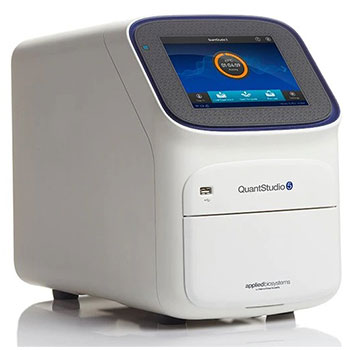
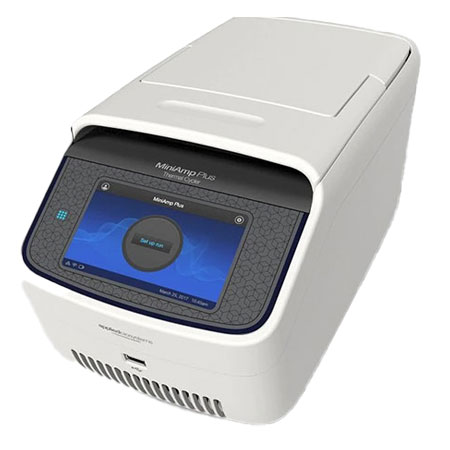
Our RT-PCR services overview:
For Myeloproliferative Disorders and Blood cancers:
- BCR-ABL1 Quantification Test
- BCR-ABL1 Qualitative Test
- PML - RARA Qualitative Test
- MPN panel Test
- JAK2 (V617F) Mutation Test
- MPL & CALR mutation Test
For Cervical Cancer:
HPV DNA Test
(15 high risk types: 16, 18 , 31, 33, 35, 39, 45, 51, 52, 56, 58, 59, 66, 67 & 68)
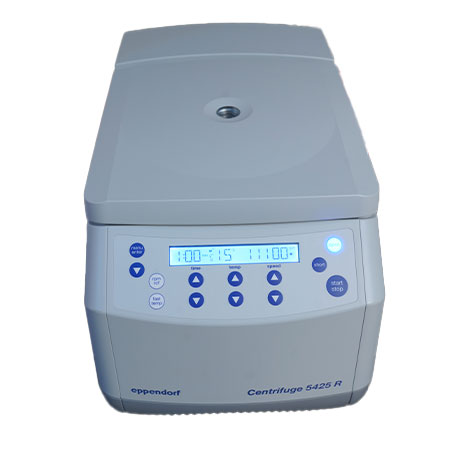
Eppendorf cooling centrifuge 5425R
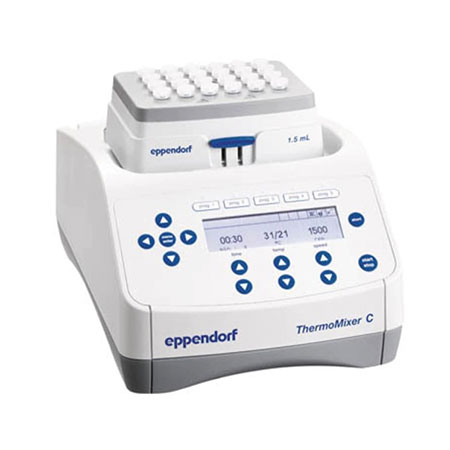
Eppendorf Thermomixer C
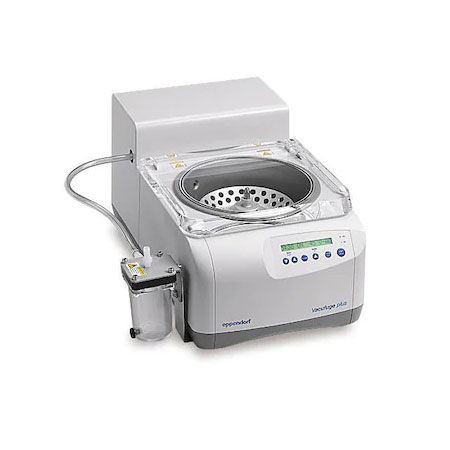
Eppendorf Centrifugation Vacufuge-plus

Invitrogen - Qubit
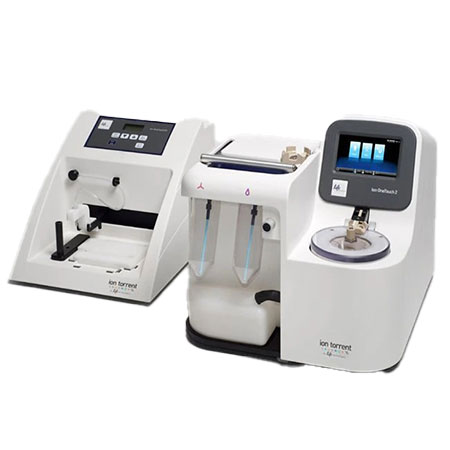
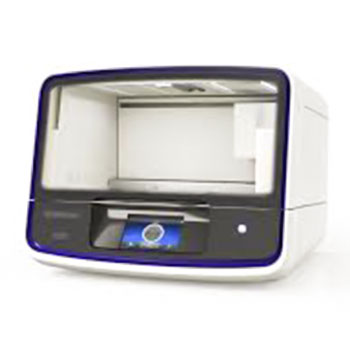
Ion Torrent OneTouch 2 System
Applied biosystem - MiniAmp Plus