
hematologist in Vijayawada
Haematology is the branch of clinical science that focusses on the morphology of blood and blood-forming tissues. Dr Ravi Kiran Bobba is the leading Haematologist in Vijayawada. It refuges the cellular composition of blood, formation of blood cell, hemoglobin combination and every other associated disorders. Haematological parameters are broadly used to help diagnose and monitor treatment.
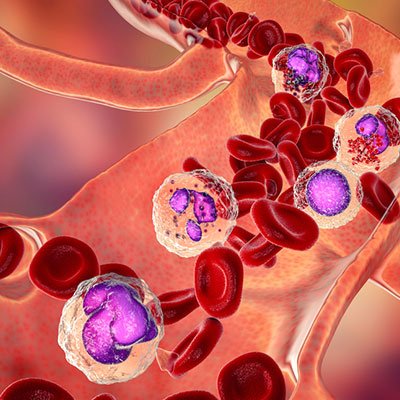
Haematology concentrates on red and white blood cells and platelets, their relative extents, general cell wellbeing and the diseases brought about by imbalances between them. Red platelets play a few significant role, yet their most significant capacity is to carry oxygen (O2) and carbon dioxide (CO2). White platelets are a key piece of the body's immune defence system, while platelets have a fundamental influence in blood coagulation. All cells are essential, however they should be kept up within the right proportions or systems will disrupt. Ravi’s American Cancer Care is the best Hematology hospitals in Vijayawada.
Haematology tests encompass tests for the blood, blood proteins and blood-producing organs. These tests can assess an assortment of blood conditions that includes infection, inflammation, anemia, hemophilia, blood-clotting problems, leukemia and the body's reaction to chemotherapy treatments. Tests might be normal and standard, or they might be called upon to diagnose extreme conditions in pressing circumstances. Much of the time, the consequences of a blood test can give an exact evaluation of body conditions and what inward or outside impacts might affect for a patient's wellbeing. Best treatment for blood disease is given in Ravi’s American Cancer care
Dr. Ravi Kiran Bobba the best Haematology specialist at Ravi’s American Cancer Care undertake the care of outpatients and inpatients. They give clinical interpretation of lab data and morphology of blood and bone marrow specimens.
This comprehensive approach to deal with clinical care is a highlight of the specialty. Clinical Haematology is a serious, energizing, remunerating yet demanding specialty that envelops both clinical and lab practice. Because of this dual role, haematologists take an active part in each phase of patient management and provide blood disorder treatment in vijayawada, from initial clinic visit, to lab evaluation/diagnosis and lastly to treatment.
Dr. Ravi Kiran Bobba is the haematology doctors in vijayawada. Haematologists work with all age group pf patients, and they oversee both cancerous and non-cancerous conditions.
Signs and Symptoms
- Cerebral pain.
- Shortness of breath
- Dizziness
- Coldness in the hands and feet.
- Pale skin.
- Chest pain
Treatment includes the utilization of designed coagulation factor prescriptions and blood transfusions. Cancers and bone marrow problems are likewise treated by haematologists and examples incorporate leukemia, lymphoma, myelodysplastic condition, different myeloma and myelofibrosis.
Common Procedures or interventions
These include
- providing clinical care, regularly for life-threatening disease
- forming chemotherapy protocols and dealing with their delivery
- overseeing haematopoietic stem cell transplantation strategies
- giving advice on Haematology lab outcomes
- examining bone marrow and deciphering the morphology
- performing diagnostic lumbar cuts and giving intra-thecal chemotherapy
If you've been alluded to a hematologist, you will probably require blood tests to see whether a blood disorder is causing the indications you're experiencing. The most common tests count your platelets, measure catalysts and proteins in your blood, and check whether your blood is coagulating the manner in which it ought to.
If you donate or receive a bone marrow or stem cells during a transplant, a haematologist will be part of your medical team. On the off chance that you have chemotherapy or immunotherapy during cancer treatment, you may likewise work with a haematologist.
Blood cancers
Blood cancer is a general term for cancers that affect the blood, bone marrow, or lymphatic system. The main types are leukaemia, lymphoma, and myeloma. These cancers develop when the body starts making abnormal blood cells that don’t work the way they should. Over time, these unhealthy cells can crowd out healthy ones, making it harder for the body to fight infections, clot blood, and carry oxygen. Common signs include tiredness, frequent infections, easy bruising or bleeding, and swollen lymph nodes.
Types of blood cancer
- Leukaemia: A cancer of the blood and bone marrow. It causes the body to produce too many abnormal white blood cells, which don’t fight infection properly and can prevent the bone marrow from making enough red cells and platelets.
- Lymphoma: A cancer that starts in the lymphatic system. It develops in lymphocytes (a type of white blood cell), which can build up in lymph nodes and other tissues.
- Myeloma: A cancer of plasma cells in the bone marrow. These cells normally make antibodies to help fight infection, but cancerous plasma cells don’t work correctly.
- Other related conditions: These include myelodysplastic syndromes (MDS) and myeloproliferative neoplasms (MPNs).
Common symptoms
- Unexplained or easy bruising and bleeding
- Constant tiredness, weakness, or shortness of breath
- Frequent or stubborn infections
- Fever, chills, or night sweats
- Unintended weight loss or loss of appetite
- Swollen lymph nodes (neck, armpits, or groin)
- Bone or joint pain
- Itchy skin or rash
Causes and risk factors
Blood cancers happen because of genetic changes (mutations) in blood cells. The exact reason these mutations occur isn’t always known, but several things can increase the risk:
- Getting older
- Exposure to chemicals like benzene
- Previous chemotherapy or radiation treatment
- A family history of blood cancers
Treatment
Treatment depends on the specific type and stage of the cancer, but may include:
- Chemotherapy
- Targeted therapy
- Immunotherapy
- Bone marrow (stem cell) transplant
For slower-growing blood cancers, doctors may recommend active monitoring instead of starting treatment right away.
Blood disorders
Blood disorders are conditions that affect different parts of your blood—red blood cells, white blood cells, platelets, or plasma. These problems can be inherited or develop later in life. Some common examples are anemia, which happens when your body doesn’t have enough oxygen-carrying red blood cells, and bleeding disorders like hemophilia, where the blood has trouble clotting. Blood cancers such as leukemia, lymphoma, and myeloma, as well as platelet disorders, are also part of this group.
Causes
- Inherited: Some blood disorders run in families and are passed from parent to child.
- Acquired: Others develop because of infections, medical conditions, certain medications, or a lack of important nutrients.
Types of blood disorders
- Red blood cell disorders: These affect the cells that carry oxygen through the body. Examples include anemia, sickle cell disease, and thalassemia.
- White blood cell disorders: These involve the cells that help fight infection, such as leukopenia or eosinophilic disorders.
- Platelet and clotting disorders: These affect how your blood clots, leading to either too much bleeding or too much clotting. Conditions like thrombocytopenia (low platelets) and haemophilia fall into this category.
- Plasma cell disorders: These involve immune system cells that make proteins to help fight infection.
Symptoms
Symptoms vary depending on the specific disorder, but common signs can include:
- Feeling unusually tired or weak
- Getting infections more often
- Bruising or bleeding easily
- Shortness of breath
- Unexplained weight loss
- Cuts or wounds that heal slowly
- Pale-looking skin
Treating blood cancers and blood disorders
Treating blood cancers and blood disorders depends on the exact condition, but many people receive treatments like chemotherapy, targeted therapy, immunotherapy, or radiation therapy. In some cases, doctors use a stem cell (bone marrow) transplant to replace damaged cells with healthy ones. Supportive treatments—such as blood transfusions—or simply monitoring slow-growing conditions are also common parts of care.
Cancer treatments
- Chemotherapy: Uses strong medications to kill cancer cells. It may be given through an IV or taken as a pill.
- Radiation therapy: Uses high-energy beams to destroy cancer cells. It’s often used for certain lymphomas or to help relieve bone pain caused by myeloma.
- Immunotherapy: Helps your immune system recognize and attack cancer cells. This includes treatments like CAR T-cell therapy (where your own T-cells are modified to target cancer) and monoclonal antibodies.
- Targeted therapy: Uses drugs that focus on specific genes, proteins, or pathways that cancer cells depend on.
- Hormone therapy: Used for cancers that grow in response to certain hormones.
Treatments for blood disorders and advanced cancers
- Stem cell (bone marrow) transplant: Replaces unhealthy or damaged blood-forming stem cells with healthy ones, either from a donor or from your own body. It’s commonly used for certain blood cancers and inherited blood disorders.
- Supportive care: Includes treatments like blood and platelet transfusions to help manage symptoms such as anemia or low platelets.
- Watchful waiting: For slow-growing blood cancers, doctors may recommend regular checkups and monitoring instead of starting treatment right away.
What we do
We offer advanced, personalized care for a wide range of blood disorders and blood cancers
Cancerous (malignant) blood conditions
- Chronic and acute leukaemia’s
- Multiple myeloma
- Lymphomas
- Myelodysplastic syndromes (MDS)
Myeloproliferative neoplasms
Conditions where the bone marrow makes too many blood cells.
Non-cancerous (benign) blood disorders
- Primary immune deficiency conditions
- Bleeding and clotting disorders
- Different types of anemia, including nutritional anemia and autoimmune haemolytic anemia
Platelets disorders
Stem cell transplant services
Diagnosis for blood cancers and blood disorders AT OUR HOSPITAL
Diagnosing blood cancers and blood disorders usually involves a mix of blood tests, imaging scans, and procedures like a bone marrow biopsy. These tests help to understand what’s happening in your blood, look for abnormal or cancerous cells, and figure out the type and stage of the condition.
Diagnostic tests and procedures
- Complete Blood Count (CBC):
A simple blood test that measures your red and white blood cells and platelets. It’s often the first test that signals something may be off. - Bone Marrow Aspiration and Biopsy:
A small sample of bone marrow usually is taken and examined under a microscope. This is one of the key tests for diagnosing many blood cancers and disorders. - Peripheral Blood Smear:
A closer look at your blood cells under a microscope to check for unusual shapes, sizes, or numbers, which can point to conditions like leukaemia. - Genetic Testing:
Helps identify genetic changes whether inherited or acquired that can cause or affect blood disorders and blood cancers through our in-house Next Generation Sequencer, RT-PCR and Cytogenetics. - Immunophenotyping:
This test studies the proteins on the surface of blood cells to help determine the exact type of blood cancer or disorder. - Other blood and urine tests:
These tests look for certain proteins or markers linked to specific conditions, such as the proteins found in multiple myeloma.