
Exploring Cytogenetics a key to Cancer Diagnosis
Cancer remains one of the most formidable challenges in modern medicine, demanding innovative approaches for early detection and effective treatment. Among the cutting-edge fields contributing to this fight is cytogenetics, a branch of genetics that focuses on the study of chromosomes, their structure, and their role in disease processes. By examining chromosomal abnormalities, cytogenetics offers invaluable insights into the genetic alterations underpinning various cancers, enabling clinicians to diagnose, classify, and prognosticate more accurately. This scientific discipline has revolutionized cancer diagnostics, transforming our understanding of tumor biology and paving the way for personalized medicine.
The core of cytogenetics involves analyzing chromosomal changes such as translocations, deletions, duplications, and aneuploidies. These genetic alterations are often hallmarks of particular cancer types; for example, the Philadelphia chromosome translocation (t(9;22)) is characteristic of chronic myeloid leukemia (CML), while the presence of MYC gene amplification is associated with Burkitt lymphoma. Techniques such as karyotyping, fluorescence in situ hybridization (FISH), and comparative genomic hybridization (CGH) are employed to detect these abnormalities with high precision. Such tests not only confirm diagnosis but also help in assessing prognosis and guiding targeted therapies. For instance, identifying specific chromosomal aberrations can determine whether a patient is eligible for targeted drugs like tyrosine kinase inhibitors, which have dramatically improved outcomes in certain cancers.
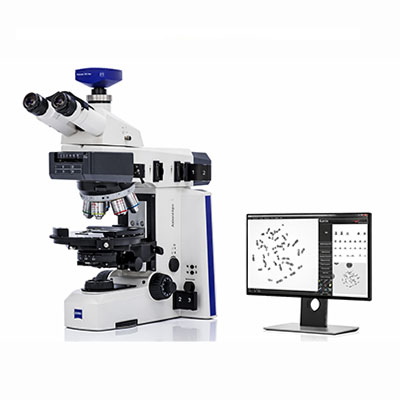
The significance of cytogenetics in cancer diagnosis is exemplified by pioneering clinicians and researchers like Dr. Ravi Bobba, whose work has contributed significantly to integrating cytogenetic analysis into clinical practice. His insights and innovative approaches have helped refine diagnostic protocols in various cancer centers, including Ravi's American Cancer Care, where personalized treatment plans are crafted based on cytogenetic findings. By understanding the genetic landscape of tumors, physicians can better predict disease progression and response to therapy, ultimately improving patient survival rates. Cytogenetics also plays a vital role in monitoring disease progression and detecting minimal residual disease, which is crucial for timely intervention and relapse prevention.
In conclusion, cytogenetics stands as a cornerstone of modern cancer diagnostics, offering a window into the genetic intricacies that drive tumor development. Its ability to identify specific chromosomal abnormalities not only enhances diagnostic accuracy but also facilitates tailored treatment strategies, leading to better patient outcomes. As research advances and new technologies emerge, the scope of cytogenetics is set to expand further, promising more precise and less invasive methods for cancer detection. Embracing this field is essential for the future of oncology, and with dedicated experts like Dr. Ravi Bobba leading the way, the integration of cytogenetics into routine clinical practice continues to evolve, bringing hope to countless patients worldwide.