
Acute myeloid leukemia
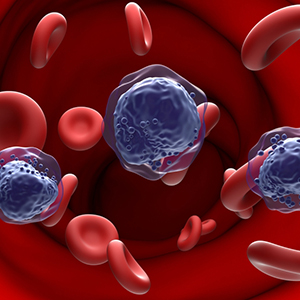
Acute myeloid leukemia (AML) is a rapidly progressive cancer of the blood and bone marrow characterized by the overproduction of immature, abnormal white blood cells called myeloid blasts. These abnormal cells prevent the bone marrow from producing sufficient healthy blood cells (red blood cells, platelets, and normal white blood cells), leading to symptoms such as fatigue, fever, easy bruising, and frequent infections. Risk factors include exposure to certain chemicals like benzene and previous chemotherapy or radiation. Diagnosis involves examining blood and bone marrow, and treatment options range from chemotherapy to stem cell transplantation, with prognosis depending on factors like genetic abnormalities and patient age.
What It Is:
- A "Blood & Bone Marrow" Cancer:
AML starts in the bone marrow, the soft tissue inside bones where blood cells are made. - Rapid Growth:
"Acute" means the disease typically worsens quickly and requires prompt treatment. - Immature Cells:
In AML, stem cells in the bone marrow fail to mature into healthy white blood cells. Instead, they develop into immature or abnormal cells (blasts) that accumulate and interfere with normal blood cell production.
Signs and Symptoms
Symptoms of AML can appear suddenly and may be mistaken for other illnesses. They can include:
- Fever
- Feeling tired or weak
- Shortness of breath
- Pale skin
- Easy bruising or bleeding (e.g., nosebleeds)
- Frequent infections
- Bone or joint pain
- Unexplained weight loss
Causes & Risk Factors
- Unidentified Cause: In most cases, the exact cause of AML is unknown.
- Risk Factors: Certain factors can increase the risk of developing
AML, including:
- Exposure to chemicals like benzene (found in cigarette smoke and some industrial settings).
- Previous chemotherapy or radiation therapy for other cancers.
- Certain genetic conditions, such as Down syndrome.
- Having other blood disorders, such as myelodysplastic syndromes (MDS).
Diagnosis & Treatment
- Diagnosis: Doctors diagnose AML by examining blood and bone marrow samples to identify the presence of immature leukemic blasts.
- Treatment:
- Chemotherapy: Multiagent induction chemotherapy can induce a complete remission.
- Stem Cell Transplantation: Allogeneic stem cell transplantation is the only established approach for a cure.
- Targeted Therapies: Advances in understanding cancer cells have led to the development of targeted therapies.
Prognosis
- Variable:
Prognosis varies based on factors such as the specific genetic changes in the leukemia cells and the patient's age. - Potential Cure:
While AML is often a challenging disease, with advancements, it is a curable condition for many, particularly with prompt and effective treatment.
Blogs List
- Understanding Breast Cancer
- Liquid Biopsy
- Thrombocytosis
- Thrombocytopenia
- Splenomegaly
- Polycythemia
- Pancytopenia
- NHL (Non-Hodgkin Lymphoma)
- Neutropenia
- Myelodysplastic syndrome
- Multiple myeloma
- Hodgkin lymphoma
- Elevated White Blood Cell
- Bone Marrow Transplant
- B-ALL or B-cell acute lymphoblastic leukemia
- Anemia
- Acute myeloid leukemia