
Splenomegaly
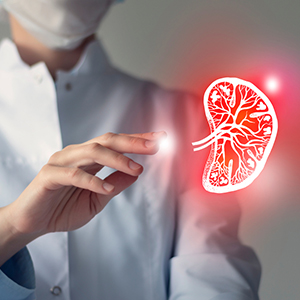
Splenomegaly is the medical term for an enlarged spleen, often found during a routine physical exam and sometimes causing symptoms like abdominal pain or a feeling of fullness. It's a sign of an underlying condition, such as infections, liver disease, blood disorders, or cancers, rather than a disease itself. Treatment focuses on addressing the root cause.
What is the spleen and its function?
The spleen is an organ located in the upper-left abdomen beneath the rib cage. It plays a key role in:
- Immune function: It filters blood and helps fight infections by producing immune cells.
- Blood cell management: It removes old or abnormal red blood cells, platelets, and white blood cells from the body.
Causes of Splenomegaly
An enlarged spleen indicates an underlying issue with the body. Common causes include:
- Infections: Viral, bacterial, fungal, or parasitic infections.
- Liver disease: Conditions like cirrhosis that cause high blood pressure in the portal vein (portal hypertension).
- Blood disorders: Anemias, hemolytic disorders, and myeloproliferative neoplasms.
- Cancers: Leukemia, lymphoma, and other malignancies that can infiltrate the spleen.
- Connective tissue disorders: Such as lupus.
Symptoms
- Often, there are no symptoms, and the condition is discovered during a routine physical exam.
- Abdominal discomfort, pain in the upper-left abdomen, or shoulder pain.
- Feeling full even without eating much.
- Unexplained weakness, weight loss, or night sweats.
When to See a Doctor
- If you suspect you have symptoms of an enlarged spleen or are experiencing pain in your abdomen, it's important to see a doctor for a proper diagnosis.
Treatment
- Treatment for splenomegaly involves addressing the underlying condition that is causing the spleen to enlarge.
Potential Complications
- Spleen rupture:
A severely enlarged spleen can rupture, which is a life-threatening emergency requiring surgery. - Increased risk of infection:
If the spleen is removed (a process called splenectomy), the body becomes more vulnerable to certain types of bacterial infections.
Blogs List
- Understanding Breast Cancer
- Liquid Biopsy
- Thrombocytosis
- Thrombocytopenia
- Splenomegaly
- Polycythemia
- Pancytopenia
- NHL (Non-Hodgkin Lymphoma)
- Neutropenia
- Myelodysplastic syndrome
- Multiple myeloma
- Hodgkin lymphoma
- Elevated White Blood Cell
- Bone Marrow Transplant
- B-ALL or B-cell acute lymphoblastic leukemia
- Anemia
- Acute myeloid leukemia