
Thrombocytosis
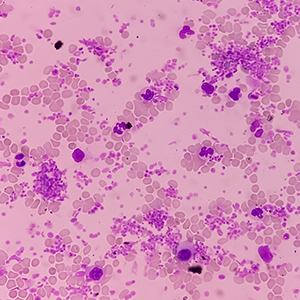
Thrombocytosis refers to an elevated platelet count in the blood, which are cells responsible for blood clot formation. It can be categorized as primary, known as Essential Thrombocythemia, a disorder originating in the bone marrow, or secondary, called Reactive Thrombocytosis, which occurs temporarily due to other conditions such as infections or inflammation. The primary concern with this condition is the heightened risk of abnormal clot formation, potentially resulting in severe events like strokes or heart attacks.
Types of Thrombocytosis
- Primary Thrombocythemia (Essential Thrombocythemia):
This uncommon inherited condition involves an abnormal increase in platelet production by the bone marrow, typically caused by genetic mutations. - Secondary Thrombocytosis (Reactive Thrombocytosis):
This form is the most prevalent and develops as a reaction to an underlying problem like an infection, inflammation, or anemia, usually subsiding once the primary condition is addressed.
Causes
- Primary Causes
The primary cause stems from a bone marrow disorder that results in an overproduction of platelets. - Secondary Causes
Underlying factors such as infections, inflammatory processes, iron deficiency anemia, and physical injury can contribute to the condition.
Symptoms
Although certain individuals might remain asymptomatic, others could encounter a variety of symptoms.
- Headaches and dizziness
- Numbness or burning sensations in the hands and feet
- Bleeding from the nose or gums
- Easy bruising
- Blood clots in the arms or legs (deep vein thrombosis - DVT)
- Symptoms of stroke or heart attack
Complications
Thrombocytosis can lead to serious complications such as abnormal blood clot formation, increasing the risk of strokes, heart attacks, and deep vein thrombosis. It may also cause bleeding problems due to platelet dysfunction, splenomegaly, and, in rare cases, progress to myeloproliferative disorders, impacting overall health and requiring careful management.
Blogs List
- Understanding Breast Cancer
- Liquid Biopsy
- Thrombocytosis
- Thrombocytopenia
- Splenomegaly
- Polycythemia
- Pancytopenia
- NHL (Non-Hodgkin Lymphoma)
- Neutropenia
- Myelodysplastic syndrome
- Multiple myeloma
- Hodgkin lymphoma
- Elevated White Blood Cell
- Bone Marrow Transplant
- B-ALL or B-cell acute lymphoblastic leukemia
- Anemia
- Acute myeloid leukemia