
Myelodysplastic syndrome
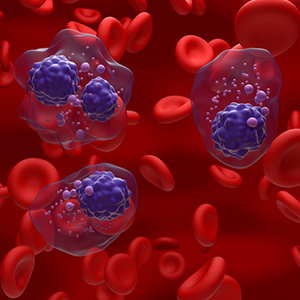
Myelodysplastic syndrome (MDS) is a group of blood cancers where blood stem cells in the bone marrow don't mature into healthy blood cells. This results in a shortage of healthy red blood cells, white blood cells, and platelets, leading to symptoms like fatigue, frequent infections, and easy bruising or bleeding. MDS risk factors include older age, exposure to certain chemicals or radiation, and past chemotherapy or radiation therapy. Diagnosis involves blood and bone marrow tests, and treatment focuses on managing symptoms, slowing the disease, and preventing complications.
What Happens
- In a healthy person, bone marrow produces immature blood stem cells that become mature blood cells (red, white, and platelets).
- In MDS, the stem cells in the bone marrow are damaged and do not mature properly, leading to a shortage of healthy blood cells.
- These abnormal, immature cells (blasts) can also take up space in the bone marrow, further reducing the production of healthy blood cells.
Symptoms
Symptoms are often due to the lack of healthy blood cells:
- Fatigue and weakness: From low red blood cell counts (anemia).
- Frequent infections and fever: From low white blood cell counts (leukopenia).
- Easy bruising and bleeding, and pinpoint red/purple dots under the skin: From low platelet counts (thrombocytopenia).
Risk Factors
- Age: MDS is more common in people over 60.
- Exposure to certain chemicals: Such as benzene found in some industrial settings.
- Prior radiation or chemotherapy: A history of previous cancer treatments increases risk.
- Smoking: Tobacco use is a risk factor.
- Inherited disorders: Certain rare genetic conditions can predispose to MDS.
Diagnosis
- MDS is diagnosed through blood and bone marrow tests that examine the cells and identify specific changes.
Treatment
Treatment aims to control the disease, ease symptoms, and prevent complications. Options may include:
- Blood transfusions: To manage anemia.
- Medications: To stimulate blood cell production.
- "Watch and wait": Some people with low-risk MDS may not need immediate treatment and can be closely monitored.
- Bone marrow transplant: In certain situations, a stem cell transplant may be an option to replace unhealthy bone marrow with healthy donor marrow.
Blogs List
- Understanding Breast Cancer
- Liquid Biopsy
- Thrombocytosis
- Thrombocytopenia
- Splenomegaly
- Polycythemia
- Pancytopenia
- NHL (Non-Hodgkin Lymphoma)
- Neutropenia
- Myelodysplastic syndrome
- Multiple myeloma
- Hodgkin lymphoma
- Elevated White Blood Cell
- Bone Marrow Transplant
- B-ALL or B-cell acute lymphoblastic leukemia
- Anemia
- Acute myeloid leukemia