
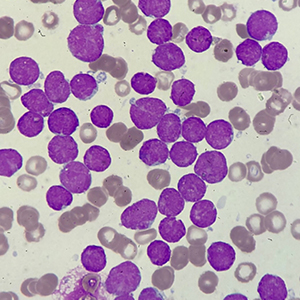
B-ALL, or B-cell acute lymphoblastic leukemia, is a fast-growing blood cancer where too many immature B-lymphocyte white blood cells (B-cell lymphoblasts) build up in the bone marrow and blood. It is the most common type of acute lymphoblastic leukemia (ALL) and can affect children and adults, causing symptoms like fatigue, fever, easy bruising, and frequent infections due to a lack of healthy blood cells.
What it is:
- B-ALL is a type of acute leukemia.
- It involves a rapid increase of immature B-lymphoblasts (precursor B-cells) in the blood and bone marrow.
- These cells are unable to fight infection and crowd out healthy blood cells, leading to symptoms.
Symptoms of B-ALL:
Symptoms arise from the overgrowth of leukemia cells and the resulting shortage of healthy blood cells:
- Anemia (lack of red blood cells): Fatigue, weakness, dizziness, paleness, and shortness of breath.
- Increased bleeding/bruising (lack of platelets): Easy bruising, frequent nosebleeds, or bleeding gums.
- Frequent infections (lack of normal white blood cells): Repeated infections that are slow to heal.
- Other symptoms: Bone or stomach pain, swollen lymph nodes, unexplained weight loss, and fever.
Causes:
- The exact cause is not fully understood but involves genetic changes that lead to too many B-cell lymphoblasts being produced.
Diagnosis:
- A doctor will examine a sample of blood and bone marrow under a microscope to look for immature cells.
- Imaging tests like X-rays or CT scans may be used to see if the cancer has spread.
- A spinal tap may be done to check for cancer cells in the spinal fluid.
Prognosis and treatment:
- Thanks to advances in treatment, B-ALL has become highly curable in children, with long-term survival rates approaching 90%.
- The prognosis is more challenging for adults and in cases of relapse.
- Treatment involves chemotherapy, and sometimes other therapies like stem cell transplants may be considered.
Blogs List
- Understanding Breast Cancer
- Liquid Biopsy
- Thrombocytosis
- Thrombocytopenia
- Splenomegaly
- Polycythemia
- Pancytopenia
- NHL (Non-Hodgkin Lymphoma)
- Neutropenia
- Myelodysplastic syndrome
- Multiple myeloma
- Hodgkin lymphoma
- Elevated White Blood Cell
- Bone Marrow Transplant
- B-ALL or B-cell acute lymphoblastic leukemia
- Anemia
- Acute myeloid leukemia