
Neutropenia
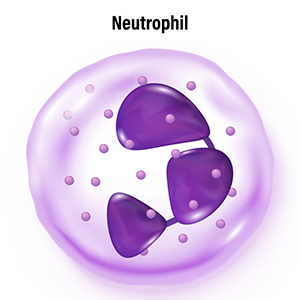
Neutropenia is a condition where your body doesn't have enough neutrophils, a type of white blood cell that fights infection. Having too few neutrophils makes it harder for your body to combat bacteria and fungal infections, increasing the risk of illness. The risk of infection is highest with severe neutropenia, and symptoms of infection, such as fever and chills, require immediate medical attention.
What it means for your health
- Increased risk of infection:
Neutrophils are the first line of defense against bacteria and fungi. A low count means your immune system is weakened, making you more susceptible to serious bacterial and fungal infections.
Symptoms of infection are key:
While neutropenia itself doesn't cause symptoms, the resulting infections do. Seek medical help immediately if you have:
- A fever
- Chills or shivering
- Sore throat or mouth sores
- Diarrhea or other symptoms of infection
Common causes
Neutropenia can stem from various factors that lead to fewer neutrophils being produced, or their destruction:
- Cancers and cancer treatments:
Cancers like leukemia and lymphoma, as well as treatments like chemotherapy and radiation, can damage bone marrow where neutrophils are made. - Infections:
Some viral and bacterial infections can lead to a temporary drop in neutrophil counts. - Autoimmune diseases:
Conditions where the immune system attacks its own cells can target neutrophils. - Congenital conditions:
Some people are born with inherited forms of neutropenia.
Diagnosis and Treatment
- Diagnosis:
Neutropenia is diagnosed through a white blood cell count and a differential to determine the specific number of neutrophils. - Treatment:
Immediate medical attention is crucial for a fever in someone with neutropenia. Treatment focuses on addressing the underlying cause and preventing infection. In some cases, medication to stimulate neutrophil production, like granulocyte colony-stimulating factor (G-CSF) (G-CSF), may be used.
Blogs List
- Understanding Breast Cancer
- Liquid Biopsy
- Thrombocytosis
- Thrombocytopenia
- Splenomegaly
- Polycythemia
- Pancytopenia
- NHL (Non-Hodgkin Lymphoma)
- Neutropenia
- Myelodysplastic syndrome
- Multiple myeloma
- Hodgkin lymphoma
- Elevated White Blood Cell
- Bone Marrow Transplant
- B-ALL or B-cell acute lymphoblastic leukemia
- Anemia
- Acute myeloid leukemia