
Multiple myeloma
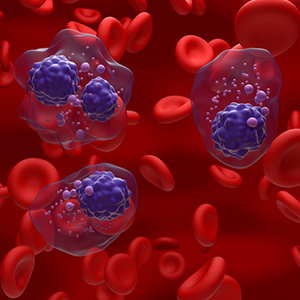
Multiple myeloma is a cancer of plasma cells in the bone marrow that leads to the uncontrolled growth of abnormal plasma cells, which can damage bones, organs, and cause symptoms like bone pain, fatigue, kidney problems, and recurrent infections. The condition is caused by genetic mutations in plasma cells, though the specific trigger is unknown. Treatment involves a combination of therapies, with new treatments often leading to remission and improved survival rates.
What it is
- Cancer of plasma cells: Multiple myeloma is a type of plasma cell cancer.
- Bone marrow involvement: Abnormal plasma cells multiply and form tumors in the bone marrow.
- Disruption of healthy cells: These cancerous plasma cells crowd out normal blood-forming cells, leading to low counts of healthy red blood cells (anemia), white blood cells, and platelets.
Symptoms
Symptoms often appear as the disease progresses and can include:
- Bone pain: Often in the back, hips, shoulders, or ribs.
- Anemia: Causes fatigue, weakness, and shortness of breath.
- Kidney problems: Can lead to fluid retention, swelling, and impaired kidney function.
- Infections: Increased risk due to a lack of healthy white blood cells.
- Hypercalcemia: High levels of calcium in the blood, which can cause thirst and frequent urination.
Causes
- Genetic mutations:
Multiple myeloma is caused by acquired genetic mutations in plasma cells that lead to their uncontrolled division. - Risk factors:
Factors that increase risk include older age, African American heritage, being male, and a family history of the disease.
Treatment
- Multimodal therapies:
Treatment often includes a combination of conventional chemotherapy, corticosteroids, and newer medications like proteasome inhibitors, immunomodulating agents, or monoclonal antibodies. - Stem cell transplantation:
High-dose chemotherapy followed by autologous peripheral blood stem cell transplantation may also be an option. - Palliative care:Supports quality of life and helps manage symptoms and complications like pain and anxiety.
Blogs List
- Understanding Breast Cancer
- Liquid Biopsy
- Thrombocytosis
- Thrombocytopenia
- Splenomegaly
- Polycythemia
- Pancytopenia
- NHL (Non-Hodgkin Lymphoma)
- Neutropenia
- Myelodysplastic syndrome
- Multiple myeloma
- Hodgkin lymphoma
- Elevated White Blood Cell
- Bone Marrow Transplant
- B-ALL or B-cell acute lymphoblastic leukemia
- Anemia
- Acute myeloid leukemia