
Thrombocytopenia
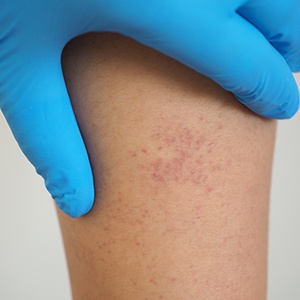
Thrombocytopenia is a medical condition where your blood has an abnormally low number of platelets (thrombocytes), which are essential for blood clotting and wound healing. This low platelet count increases the risk of easy bruising and prolonged, excessive bleeding, from sources like the nose, mouth, or gastrointestinal tract, or through petechiae (tiny red-purple dots on the skin). Causes of thrombocytopenia include decreased platelet production in the bone marrow, increased platelet destruction or consumption, or platelets getting trapped in an enlarged spleen, often resulting from conditions like liver disease, certain cancers, infections, autoimmune diseases, and the use of certain drugs or chemotherapy.
Causes
Thrombocytopenia occurs when your body doesn't make enough platelets, destroys too many, or too many get trapped.
- Reduced Production:
- Bone Marrow Conditions: Bone marrow damage or disease can lead to low platelet production.
- Cancers and Treatments: Leukemia, lymphoma, or treatments like chemotherapy and radiation therapy can affect the bone marrow.
- Nutritional Deficiencies: Severe deficiencies in folate or vitamin B12 can impact platelet production.
- Heavy Alcohol Use: Excessive alcohol intake can suppress platelet production.
- Increased Destruction or Consumption:
- Autoimmune Disorders: Conditions like immune thrombocytopenia can cause the body to attack its own platelets.
- Drug-Induced Thrombocytopenia: Certain medications can trigger the destruction of platelets.
- Infections: Some infections can lead to increased platelet destruction.
- Pregnancy: Thrombocytopenia is a common issue during pregnancy.
- Platelet Sequestration:
- Enlarged Spleen (Hypersplenism): A larger spleen can trap a disproportionate number of platelets, reducing the amount circulating in the blood.
Symptoms
Symptoms of thrombocytopenia can vary but often involve easy bleeding and bruising:
- Easy or excessive bruising
- Petechiae: Small red or purple spots on the skin, often on the legs and feet
- Bleeding gums or nosebleeds
- Blood in urine or stool
- Heavier than normal menstrual bleeding
- Severe headaches, blurred vision, or signs of a stroke
Diagnosis and Treatment
Diagnosis involves a simple blood test to check the platelet count. Treatment depends on the underlying cause and the severity of the low platelet count, with options including addressing the cause, medications, or, in severe cases, a platelet transfusion.
Blogs List
- Understanding Breast Cancer
- Liquid Biopsy
- Thrombocytosis
- Thrombocytopenia
- Splenomegaly
- Polycythemia
- Pancytopenia
- NHL (Non-Hodgkin Lymphoma)
- Neutropenia
- Myelodysplastic syndrome
- Multiple myeloma
- Hodgkin lymphoma
- Elevated White Blood Cell
- Bone Marrow Transplant
- B-ALL or B-cell acute lymphoblastic leukemia
- Anemia
- Acute myeloid leukemia