
Hodgkin lymphoma
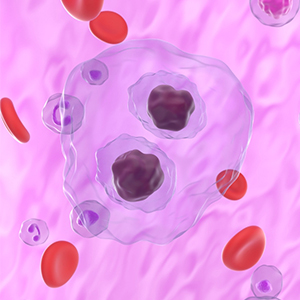
HL, or Hodgkin lymphoma, is a cancer of the lymphatic system characterized by the presence of large, abnormal Reed-Sternberg cells. It commonly causes painless, swollen lymph nodes (especially in the neck) along with symptoms like fever, night sweats, and weight loss. Diagnosis involves a biopsy, and treatment typically includes chemotherapy, often with radiation therapy, and has high cure rates, especially when caught early.
What is Hodgkin Lymphoma?
- A type of cancer where healthy cells in the lymph system transform and grow out of control.
- It involves malignant cells, with the hallmark being the presence of large, abnormal cells called Reed-Sternberg cells.
Common Symptoms
- Painless swelling of lymph nodes in the neck, armpits, or groin.
- Unexplained fever and chills.
- Soaking night sweats.
- Unexplained weight loss.
- Unexplained fatigue or lack of energy.
- Itching all over the body.
Diagnosis
- Starts with a physical exam and checks for swollen lymph nodes.
- Imaging tests may be used.
- A biopsy, where cells are removed for testing, is essential to confirm the diagnosis.
Treatment
- Chemotherapy: is a primary treatment that uses drugs to destroy cancer cells.
- Radiation therapy: is often used after chemotherapy to target remaining cancer cells.
- Other treatments like biological or steroid medicines may also be used.
Prognosis
- Hodgkin lymphoma is a highly treatable cancer, with high cure rates, particularly when diagnosed in its early stages.
- Success depends on factors like the lymphoma's stage, patient age, and overall health.
Blogs List
- Understanding Breast Cancer
- Liquid Biopsy
- Thrombocytosis
- Thrombocytopenia
- Splenomegaly
- Polycythemia
- Pancytopenia
- NHL (Non-Hodgkin Lymphoma)
- Neutropenia
- Myelodysplastic syndrome
- Multiple myeloma
- Hodgkin lymphoma
- Elevated White Blood Cell
- Bone Marrow Transplant
- B-ALL or B-cell acute lymphoblastic leukemia
- Anemia
- Acute myeloid leukemia