
Elevated White Blood Cell
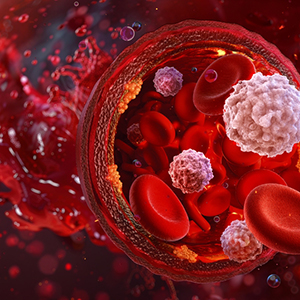
An elevated white blood cell (WBC) count, known as leukocytosis, indicates the body is producing more white blood cells than normal, often as a response to infection or inflammation but also potentially signaling serious conditions like leukemia, autoimmune disorders, tissue damage, stress, or as a side effect of certain medications or smoking. Symptoms can vary widely but may include fever, fatigue, and joint pain. A medical evaluation by a healthcare professional is crucial to identify the underlying cause and determine the appropriate treatment.
Common Causes of Elevated WBCs
- Infections: Bacterial, viral, or fungal infections are common triggers for leukocytosis.
- Inflammatory Conditions: Chronic inflammatory diseases, such as rheumatoid arthritis, can increase WBC counts.
- Allergic Reactions: Allergies can also lead to an elevated white blood cell count.
- Medications: Certain drugs, like steroids, can cause an increase in WBCs.
- Stress: Significant physical or emotional stress can elevate WBC levels.
- Lifestyle Factors: Smoking can also contribute to higher WBC counts.
- Bone Marrow Conditions: Bone marrow diseases, including leukemia, are serious underlying causes.
- Tissue Damage: Conditions causing tissue damage, like burns, can trigger an immune response.
- Pregnancy: WBC counts naturally rise during pregnancy and after childbirth.
Symptoms to Watch For
While an elevated WBC count itself isn't a symptom, the underlying condition may cause symptoms such as:
fever, fatigue, joint pain, night sweats, skin rashes, unexplained weight loss, and recurrent infections.
When to See a Doctor
An elevated white blood cell count should always be evaluated by a healthcare professional. They can perform necessary blood tests and a thorough medical history to pinpoint the cause.
Treatment
Treatment focuses on addressing the underlying cause:
- Antibiotics: for bacterial infections.
- Antihistamines or inhalers: for allergies.
- Changes to medication: if a drug reaction is suspected.
- Treatment for specific inflammatory or autoimmune diseases .
- Management of stress and anxiety .
- Treatment of leukemias or bone marrow disorders, if diagnosed.
Blogs List
- Understanding Breast Cancer
- Liquid Biopsy
- Thrombocytosis
- Thrombocytopenia
- Splenomegaly
- Polycythemia
- Pancytopenia
- NHL (Non-Hodgkin Lymphoma)
- Neutropenia
- Myelodysplastic syndrome
- Multiple myeloma
- Hodgkin lymphoma
- Elevated White Blood Cell
- Bone Marrow Transplant
- B-ALL or B-cell acute lymphoblastic leukemia
- Anemia
- Acute myeloid leukemia