
Polycythemia
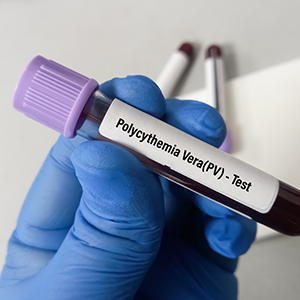
Polycythemia is a blood disorder that causes the body to produce too many red blood cells, which thickens the blood and can lead to serious health issues such as blood clots, heart attacks, and strokes. It is a general term that encompasses several types of conditions.
Types of polycythemia
There are two main types of polycythemia:
- Primary polycythemia (Polycythemia vera): This is a rare, slow-growing blood cancer that occurs when a genetic mutation, often in the JAK2 gene, causes the bone marrow to overproduce blood cells, primarily red blood cells but also platelets and white blood cells.
- It is not inherited but develops over a person's lifetime for unknown reasons.
- It typically appears in adults over the age of 60.
- Secondary polycythemia: This is the more common form, caused by another underlying health condition or external factor that increases the production of erythropoietin (EPO), a hormone that stimulates red blood cell production. Causes include:
- Chronic low oxygen levels (hypoxia): Caused by conditions like heart or lung disease, sleep apnea, or living at high altitudes.
- Tumors: Certain tumors can secrete excess EPO.
- Smoking.
- Anabolic steroid use.
- Relative polycythemia: This is not a true increase in red blood cell count but is an elevated reading due to a reduced volume of blood plasma, such as from severe dehydration. When plasma volume is normal, the red blood cell count is within the normal range.
Symptoms
Many people with polycythemia experience no symptoms, especially in the early stages. When they do appear, symptoms are often gradual and may include:
- Fatigue and weakness
- Headaches and dizziness
- Blurred or double vision
- Shortness of breath
- Itchy skin, particularly after a warm bath or shower
- Numbness, tingling, or burning in the hands and feet
- Abdominal pain or a feeling of fullness due to an enlarged spleen
- Bleeding problems, such as nosebleeds or bleeding gums
- A ruddy or reddish complexion
- Gout, a form of arthritis causing joint pain and swelling
Diagnosis
Because early polycythemia often has no symptoms, it is frequently discovered during a routine blood test. Diagnosis involves:
- Complete blood count (CBC): Measures red blood cell, hemoglobin, and hematocrit levels.
- Genetic testing: A test for the JAK2 gene mutation can confirm polycythemia vera.
- Erythropoietin (EPO) level: Low EPO levels suggest primary polycythemia, while high levels suggest a secondary cause.
- Bone marrow biopsy: A tissue sample is examined for abnormal cells, which is a key diagnostic step for polycythemia vera.
- Imaging and other tests: Scans of the heart, lungs, or kidneys may be used to find the cause of secondary polycythemia.
Treatment
Treatment focuses on reducing the thickness of the blood to prevent complications like blood clots. The approach depends on the type of polycythemia.
For Polycythemia Vera
- Phlebotomy: The most common treatment involves regularly drawing blood from a vein to reduce the number of red blood cells. The goal is to keep the hematocrit level below 45%.
- Low-dose aspirin: Often prescribed to lower the risk of blood clots by preventing platelets from sticking together.
- Medications: Drugs like hydroxyurea, interferon, or ruxolitinib may be used to suppress bone marrow activity and reduce blood cell production.
For Secondary Polycythemia
- Treating the underlying cause: The red blood cell count often returns to normal if the primary cause is addressed. This could involve:
- Treating a heart or lung condition
- Addressing sleep apnea
- Quitting smoking
- Removing an EPO-secreting tumor
Complications
If left untreated, polycythemia can lead to severe health issues, particularly in polycythemia vera:
- Blood clots: These can cause heart attacks, strokes, or pulmonary embolisms.
- Enlarged spleen (splenomegaly): The spleen works harder to filter the thickened blood, causing it to swell.
- Gout: The high turnover of blood cells can increase uric acid levels, leading to gout and joint pain.
- Stomach ulcers: High levels of histamine released by excess cells can lead to increased stomach acid.
- Progression to other blood disorders: In rare cases, polycythemia vera can develop into myelofibrosis (bone marrow scarring) or acute leukemia.
Blogs List
- Understanding Breast Cancer
- Liquid Biopsy
- Thrombocytosis
- Thrombocytopenia
- Splenomegaly
- Polycythemia
- Pancytopenia
- NHL (Non-Hodgkin Lymphoma)
- Neutropenia
- Myelodysplastic syndrome
- Multiple myeloma
- Hodgkin lymphoma
- Elevated White Blood Cell
- Bone Marrow Transplant
- B-ALL or B-cell acute lymphoblastic leukemia
- Anemia
- Acute myeloid leukemia